
Entering the construction industry as a junior engineer can feel overwhelming. You’re surrounded by seasoned professionals, tight deadlines, complex coordination, and high-stakes decisions. In that environment, it’s easy, especially as someone just starting out, to fade into the background by focusing on observing and learning, while rarely speaking up. Yet, in today’s competitive job market, where opportunities are limited, it’s crucial to earn a strong reputation through initiative, consistency, and thoughtful engagement from day one.
So how do you make an impact without overstepping? And how do you ensure your voice is heard when you’re still “the new one”? Here’s a roadmap with practical strategies, insights from seasoned engineers, and some real-world examples from the field.

Master the basics, and then aim to go one step further
Every junior engineer is expected to learn the fundamentals: construction standards, site processes, safety rules, and common engineering practices. What separates a young engineer is how proactively they engage with day-to-day tasks. Asking thoughtful questions such as “Why was this method chosen?”, “Is there a more efficient alternative?”, or “What risks are hidden here?” helps develop a deeper perspective and uncover solutions that others might easily overlook. This kind of thinking builds engineering judgment early and often reveals issues others miss simply because they’re moving too fast.
Pro tip: Write down at least one observation or a question every day. Over time, this habit trains you to think critically and proactively rather than merely follow instructions.
Learn how to communicate in a professional environment
Construction sites and design offices are fast-paced, and nobody has time for vague updates or long-winded explanations. If you want your voice to be heard, it is crucial to be direct, specific and constructive. Clear communication builds trust, and trust amplifies your voice.
Effective communication requires understanding of the context behind the words being spoken. Different project stakeholders often have different priorities, pressures, and incentives, which can shape how they communicate. A contractor might downplay an issue to avoid delays, while a supervisor may emphasize urgency to keep the schedule on track. Learning to read this subtext helps you interpret what’s really being said, ask the right follow-up questions, and respond in a way that keeps the project aligned without creating misunderstandings.
Pro tip: When something sounds vague or insufficiently clear, don’t be afraid to ask clarifying questions that force specifics. Phrases like “What does that mean for today’s work?” or “Can we go through the next step together?” help uncover the real situation without putting anyone on the defensive, and often reveal details that weren’t said out loud.
Bring out solutions, and not just problems
As a project manager with a million issues on their mind, there’s a huge difference between hearing “There’s a delay in material delivery,” and “There’s a delay in material delivery, but if we re-sequence this activity, we can avoid downtime”.
You don’t have to be right every time, but attempting to provide a solution shows initiative and builds credibility. Some of the most valuable junior engineers are the ones who at least try to think like problem-solvers.
Pro tip: Before jumping to raise a problem to your manager, take five extra minutes to think through at least one practical next step, even if it’s not perfect. A simple “We could try this…” shows ownership and keeps the conversation focused on progress instead of just the issue.
Build relationships on site
Construction is as much about people as it is about technical skills. Foremen, supervisors, subcontractors, and labor crews all hold valuable knowledge that isn’t documented in drawings or manuals. One of the biggest mistakes junior engineers make is staying isolated in the office, interacting only with supervisors, and being too disconnected from the site team. When the crew trusts you, you gain insights that improve decision-making and enhance your credibility.
Pro tip: Spend time on site. Ask questions, observe, and listen more than you speak. If the site team respects you, you can gain inside information and your voice automatically carries more weight in technical discussions.
Speak up early, even if you’re not 100% sure
Many junior engineers stay silent because they fear being wrong, but in construction waiting until you’re completely certain can allow small issues to escalate into major problems. Raising concerns early, asking thoughtful questions and contributing with meaningful observations, may feel beyond a junior’s pay grade, but these actions are essential to becoming a trusted team member and distinguishing yourself among your peers.
Construction projects move fast, and small issues can turn into expensive problems if nobody flags them early.
Pro tip: If something doesn’t feel right ask, clarify and raise it respectfully. You’re not expected to know everything, but you are expected to think critically and share what you notice.
Take ownership of a piece of the project
Ownership builds trust. Whether it is quantity tracking, daily reports, safety checks, or some other specific work activity, whatever big or small, consistently managing a task from start to finish demonstrates accountability.
Pro tip: Project managers quickly identify junior engineers who take initiative and responsibility without being chased, and own it completely; those are the ones that get trusted with bigger roles.
Be the person who follows through
Even though bright ideas are useful, execution often gets noticed and valued more. In construction reliability often outweighs brilliance. Showing up prepared, delivering on time, and completing tasks thoroughly is the fastest way to stand out.
Pro tip: Be consistent. Teams and managers respect engineers who can always be counted on. Reliability is a currency in high-stakes construction projects.

Keep learning and share what you learn
As we all know, the construction industry is evolving rapidly with new technologies like BIM, drones, and digital project management tools, and automated reporting systems, but here you can leverage your young age, by being aware of the new trends and tools and sharing them with the old-timers, who are used to their traditional work methods.
Pro tip: If you find a way to make processes more efficient by using some new technology, or a tool, try demonstrating its value to the decision makers, then help with its implementation. Even small improvements, like better tracking spreadsheets or clearer visual reports, can set you apart.
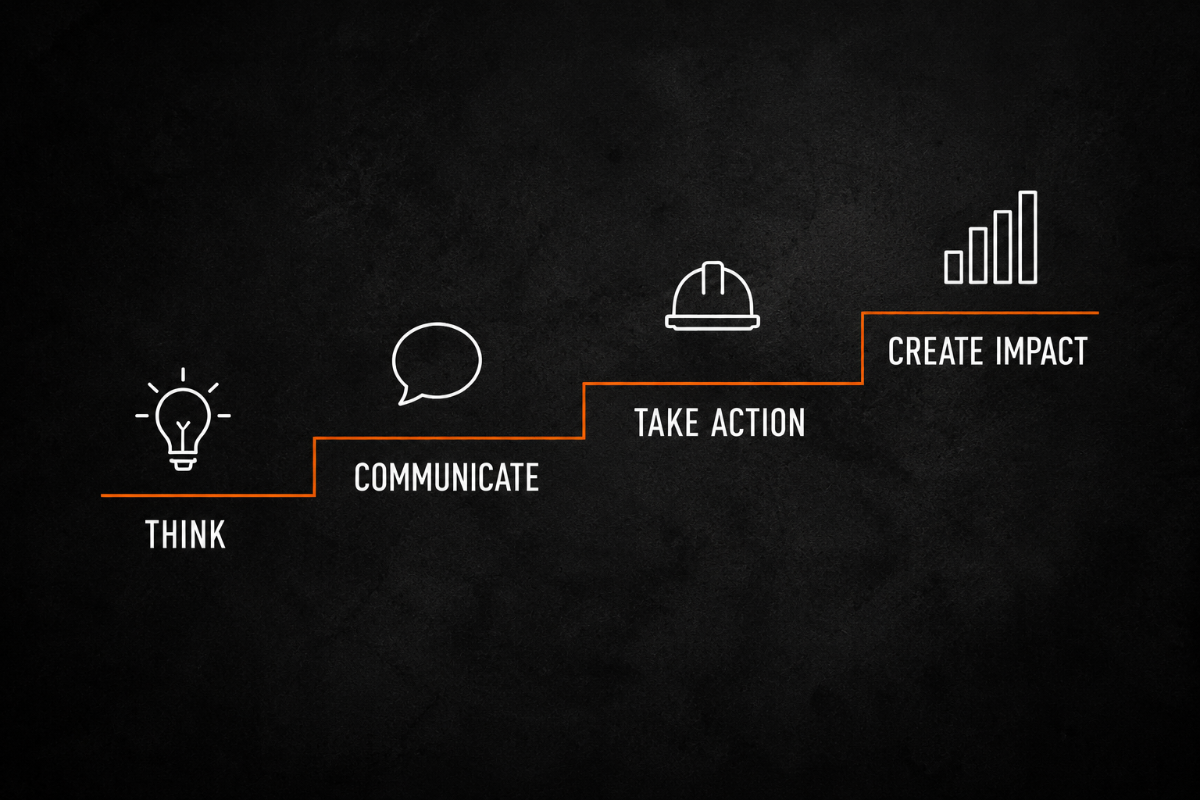
When you understand the work deeply, communicate clearly, build trust with people, speak up responsibly and deliver consistently, you naturally earn the right to be heard. The construction industry rewards those who take initiative early and understand the bigger picture. Start small, stay consistent, and over time people will start seeking your opinion without you needing to ask for a voice. The earlier you think like a project manager, the faster you will grow into one.